Emergency / 911
Cooking is the number one cause of home fires and home injuries. Being mindful while you cook, however, can go a long way to helping prevent these fires.
Here’s what you need to know!
- Keep an eye on what you fry
- Be alert when cooking
- Keep things that can catch fire away from the cooking area
Download “Be Fire-Safe in the Kitchen” – great to share with your children!
Learn about Crockpot Safety.
Learn about Turkey Fryer Safety.
Based on 2009-2013 annual averages:
- Unattended cooking was the leading factor in home cooking fires.
- Two-thirds (66%) of home cooking fires started with the ignition of food or other cooking materials.
- Clothing was the item first ignited in less than 1% of these fires, but these incidents accounted for 18% of the cooking fire deaths.
- Ranges or cooktops accounted for the majority (61%) of home cooking fire incidents. Ovens accounted for 13%.
- More than half (54%) of reported non-fatal home cooking fire injuries occurred when the victims tried to fight the fire themselves.
- Frying poses the greatest risk of fire.
Source: NFPA’s “Home Fires Involving Cooking Equipment” report by Marty Ahrens, November 2015.
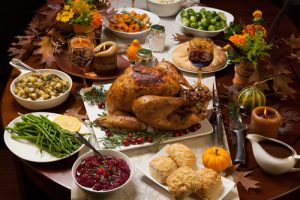
Thanksgiving is the peak day for home cooking fires.
Safety Tips:
- Stay in the kitchen when you are cooking on the stovetop so you can keep an eye on the food.
- Stay in the home when cooking your turkey and check on it frequently.
- Keep children away from the stove. The stove will be hot and kids should stay 3 feet away.
- Make sure kids stay away from hot food and liquids. The steam or splash from vegetables, gravy or coffee could cause serious burns.
- Keep the floor clear so you don’t trip over kids, toys, pocketbooks or bags.
- Keep knives out of the reach of children.
- Be sure electric cords from an electric knife, coffee maker, plate warmer or mixer are not dangling off the counter within easy reach of a child.
- Keep matches and utility lighters out of the reach of children — up high in a locked cabinet.
- Never leave children alone in a room with a lit candle.
- Make sure your smoke alarms are working. Test them by pushing the test button.
More NFPA Thanksgiving-related information
Source: NFPA: http://www.nfpa.org/thanksgiving